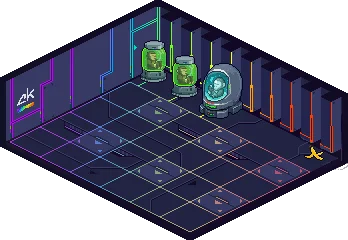
MinerFun is a play-to-earn launchpad where players build virtual mining empires and earn daily crypto rewards. Game UI, marketing site, and launchpad, full scope, from zero.
Players earn daily tokens by managing virtual mining rooms. Projects can list their own coin on the platform.
The founding team had the mechanics: NFT rooms, miner tokens, daily yields, a halving model. What they didn't have was anything visual: no brand, no website, no game UI, no user flows.
I owned it all. Brand first: the pixel art visual language across every surface. Then the marketing site for players and creators. Then the game: isometric rooms, miner catalog, facilities dashboard, every transaction modal.
The retro aesthetic wasn't a style choice. It was the answer to the core design problem: how do you make people spend real ETH on virtual rooms without flinching?
Play-to-earn is fundamentally a financial product wearing a game costume. Every "fun" action (buy a room, place a miner, claim rewards) is a real blockchain transaction with real money on the line. The typical DeFi response is warnings, disclaimers, and clinical UI. That kills engagement before it starts. The challenge: keep the game feeling dominant while the financial reality stays present but never paralyzing.
Pixel art as the tent-pole decision. It signals "game" immediately, makes rooms feel built rather than bought, and turns transaction states into arcade moments. Applied with total consistency — landing hero to confirmation modal. No breaks in the fiction.
The player journey is a four-step loop, from wallet connect to daily earnings. A fifth path exists for project creators who want to list their coin on the launchpad.
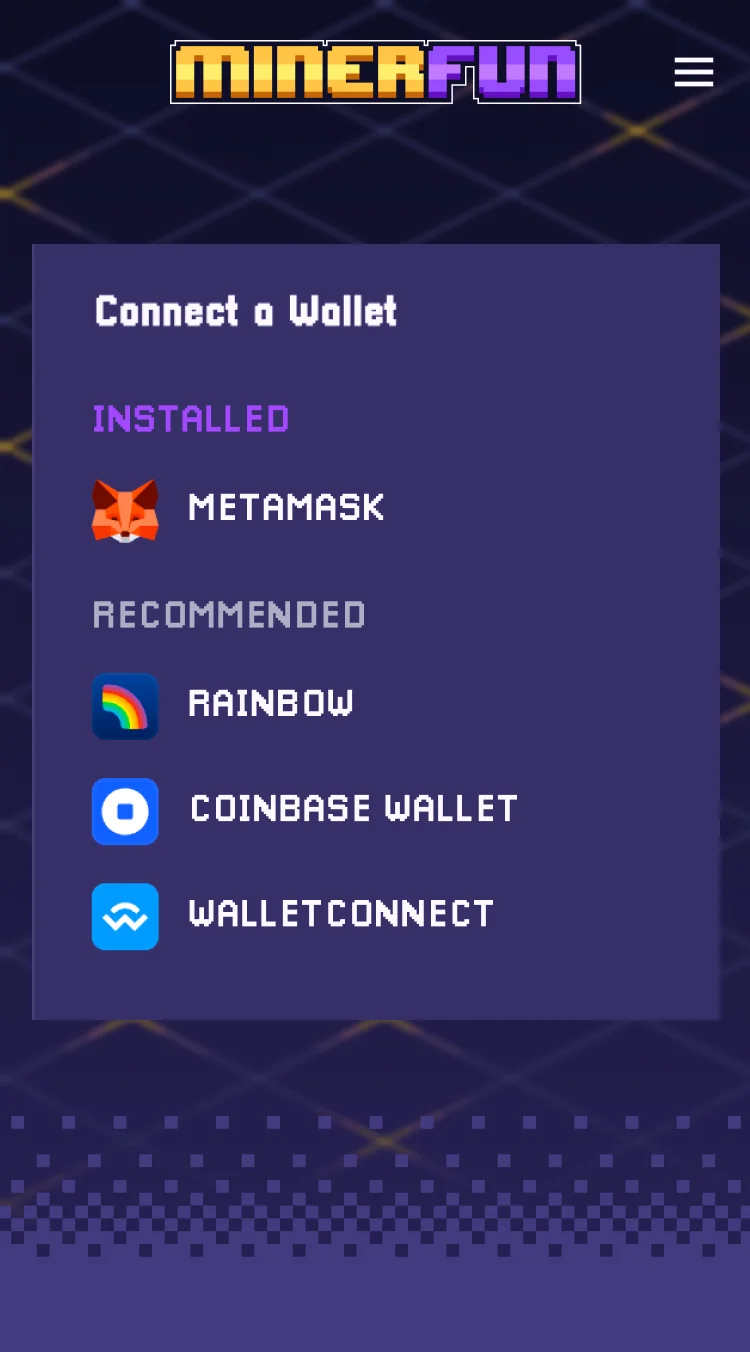
One-click connect. Existing rooms and miners load automatically.
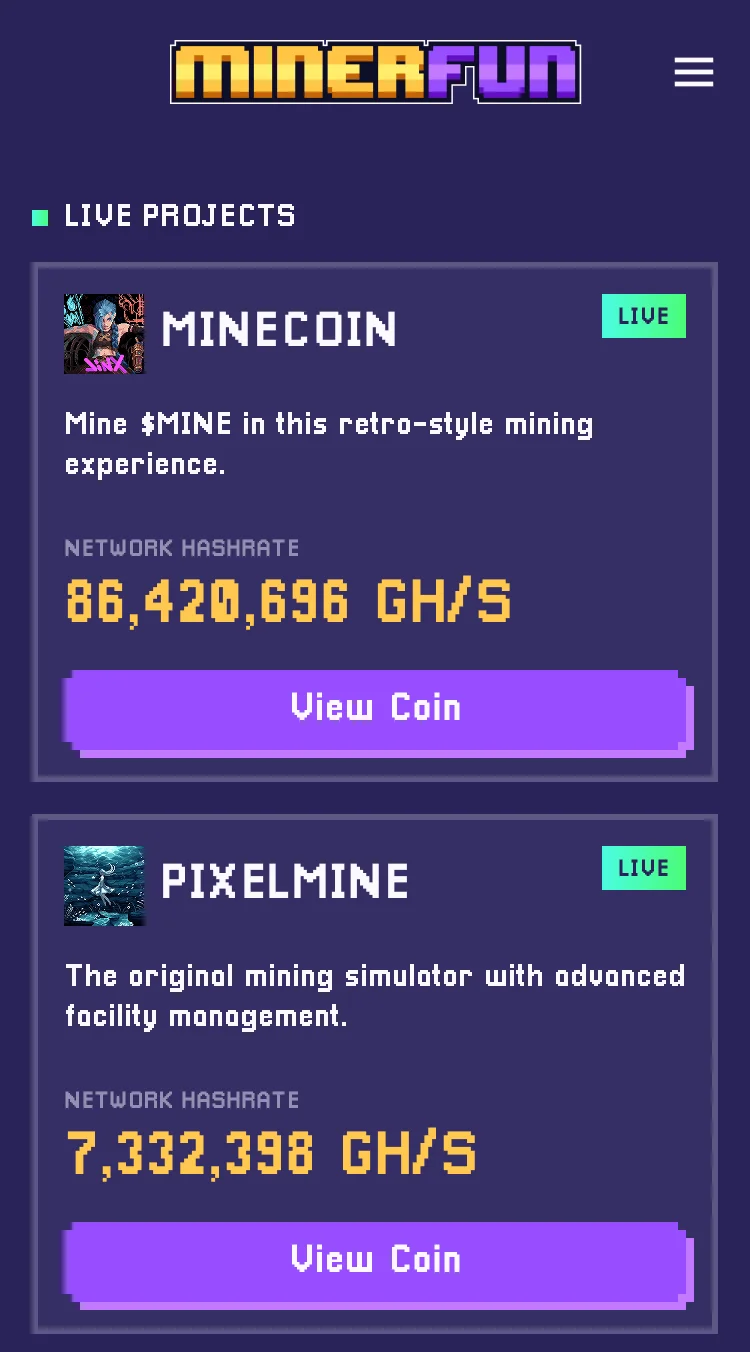
Browse live projects on the launchpad. Each shows real-time hashrate, token symbol, and on-chain stats.
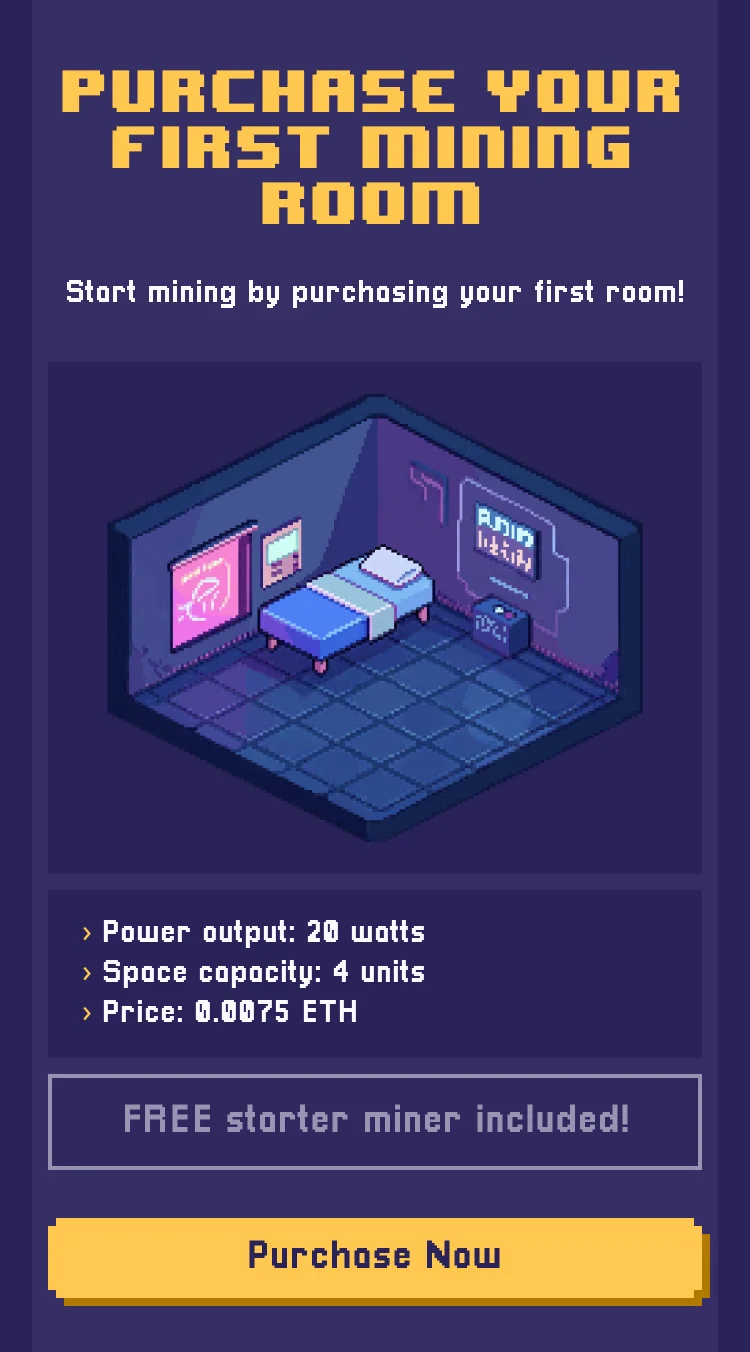
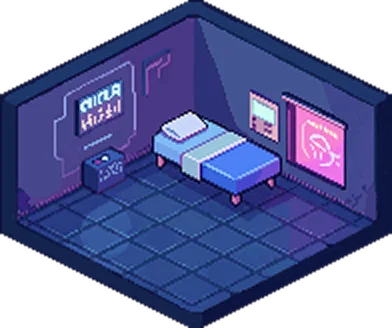
Purchase a starter room: a Bedroom with 4 slots, free starter miner included. An NFT rendered as isometric pixel art in your dashboard.
Fill your room's slots with named miners. Hashrate drives your daily $MYNE yield. Upgrade rooms to unlock more capacity.
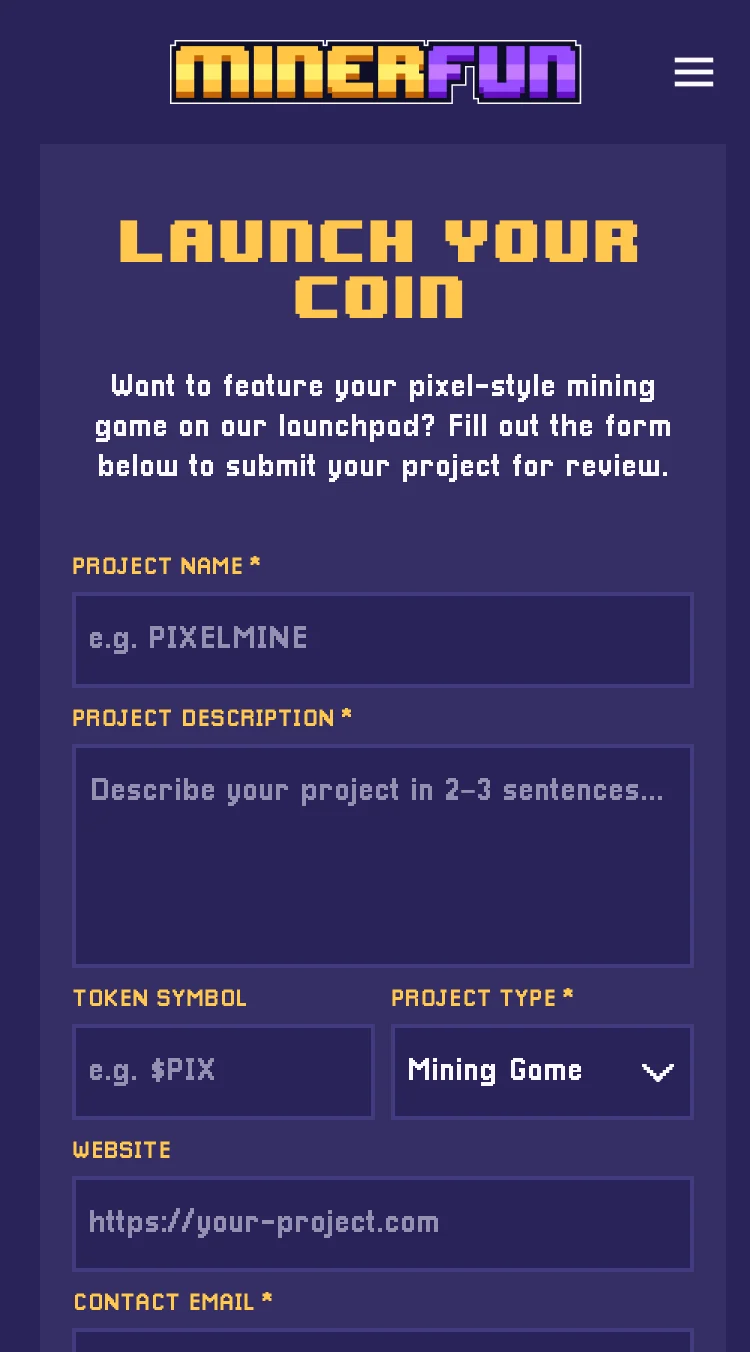
For project creators: submit your pixel-style mining game to the launchpad. Get listed. Players buy in and start mining your token.
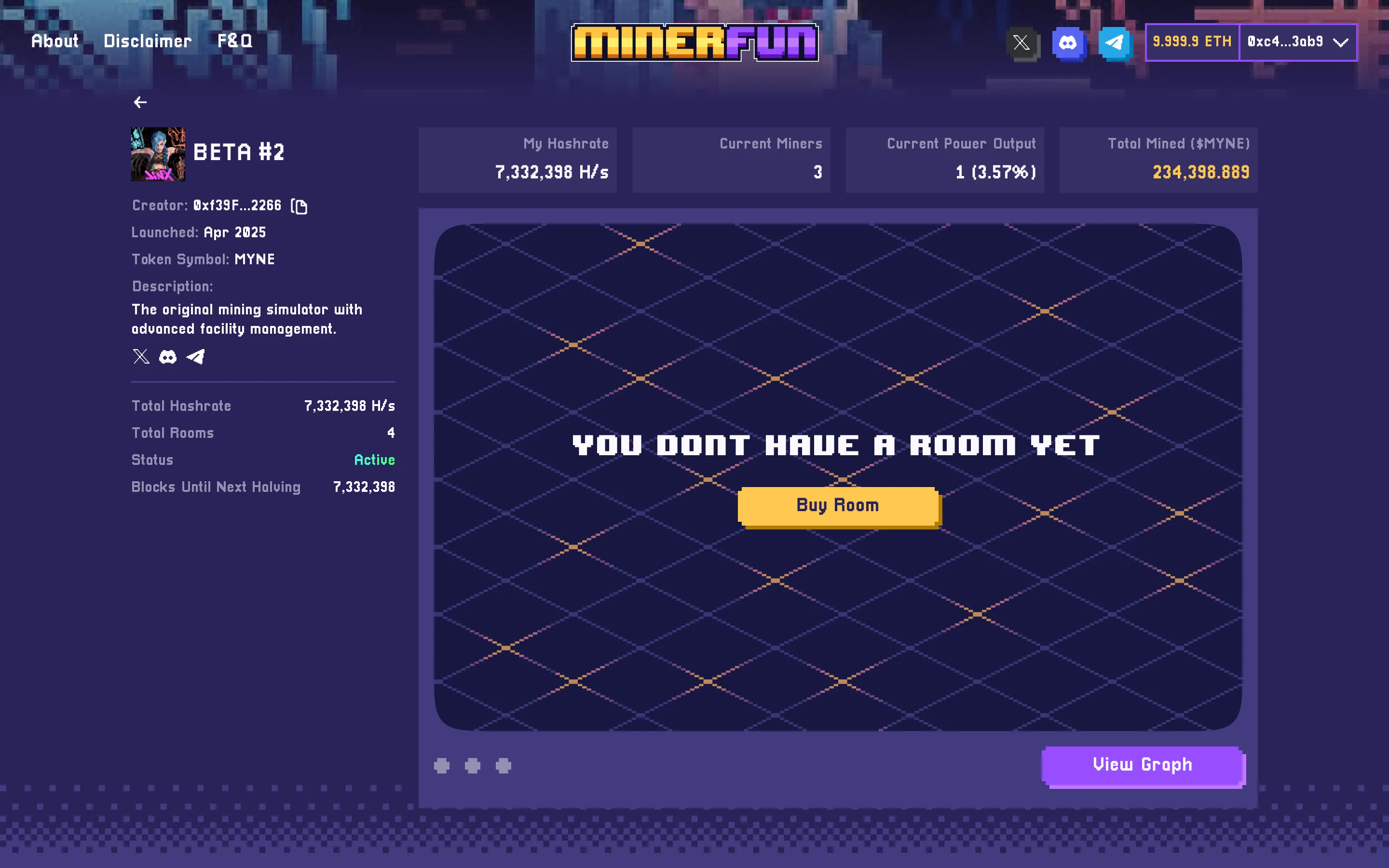
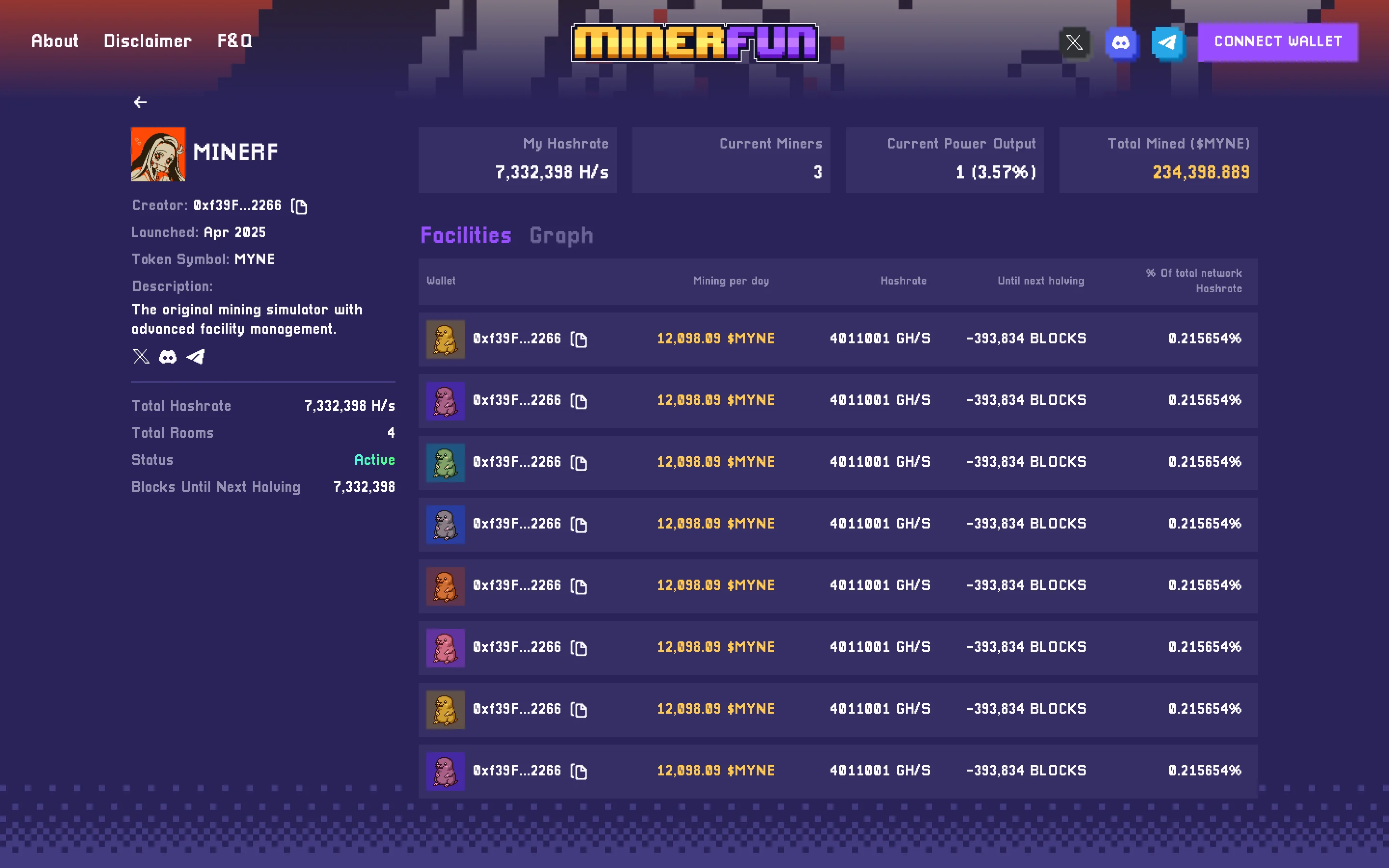
Four key surfaces: the project page, the game room, the empty state onboarding moment, and the empire-wide facilities table.

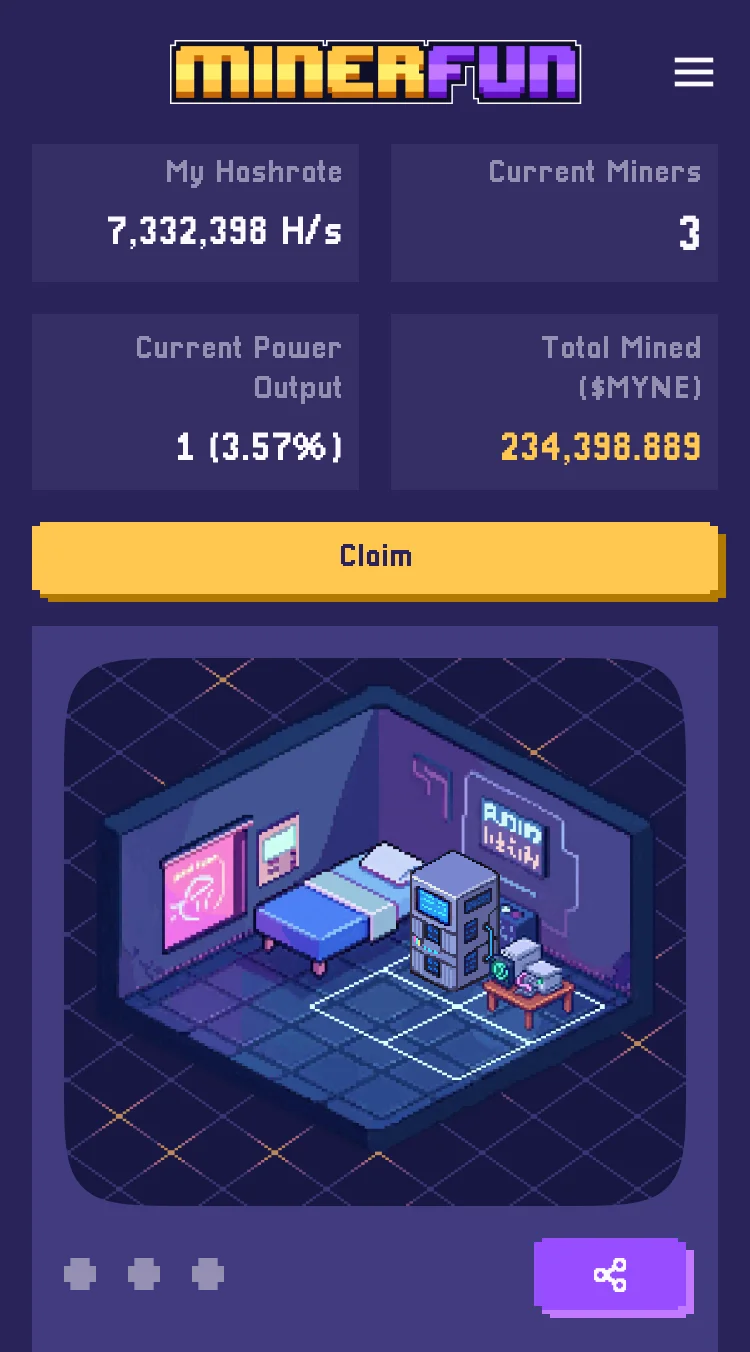
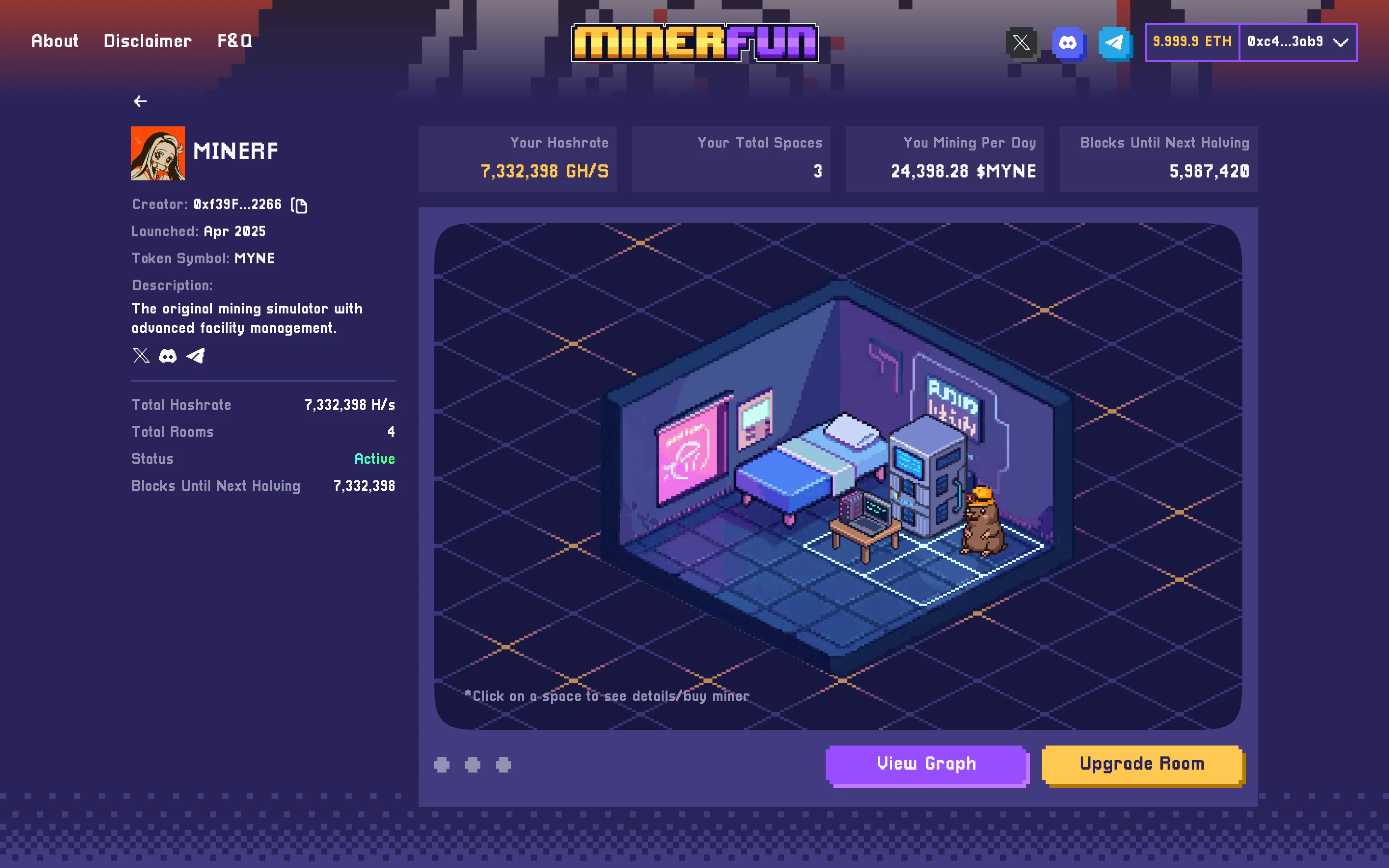
The isometric room is the product's heart. Players see their miners placed in a physical space, not a row in a table or a number in a dashboard. The stats bar above shows live hashrate, daily $MYNE yield, and blocks until halving.
Room tiers (Bedroom → Pro Room → Data Center) give players a progression path that turns retention into spatial ambition.

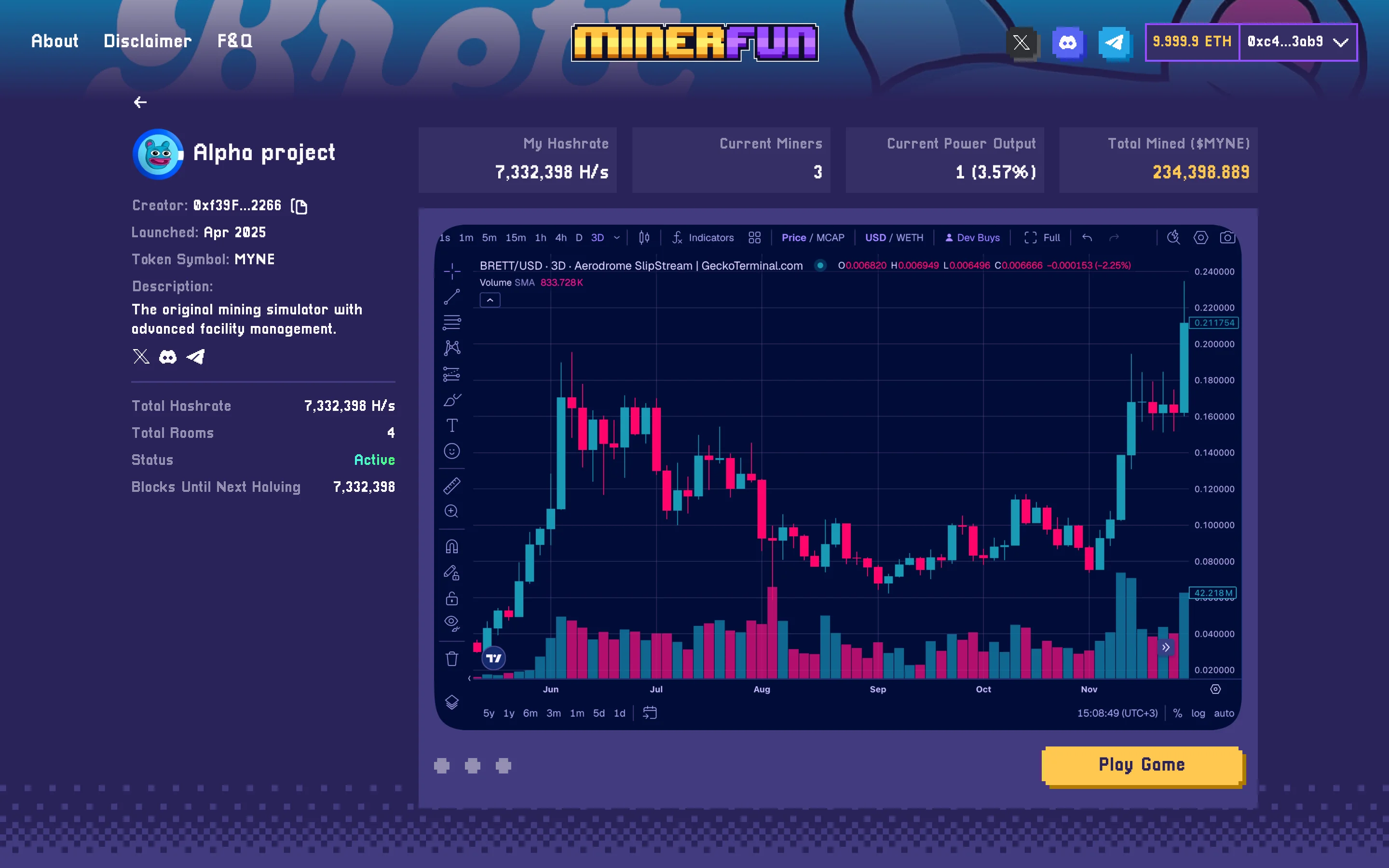
Each coin gets its own page: a project sidebar with creator info, launch date, token symbol and social links, plus a full TradingView chart for the live token price.
The stats bar (My Hashrate, Current Miners, Power Output, Total Mined) gives players instant context on their position in this project's network.

New players land here with nothing yet. The empty state is direct: "YOU DON'T HAVE A ROOM YET" in pixel type, one CTA. Project context stays visible in the sidebar.
No decorative padding, no explanatory copy blocks. The friction is the purchase. The UI stays out of the way.

As players expand, they need a command view. The facilities table shows each room's mining rate, hashrate, blocks until halving, and share of total network hashrate.
The empire view gives serious players the data density they need without abandoning the game aesthetic.
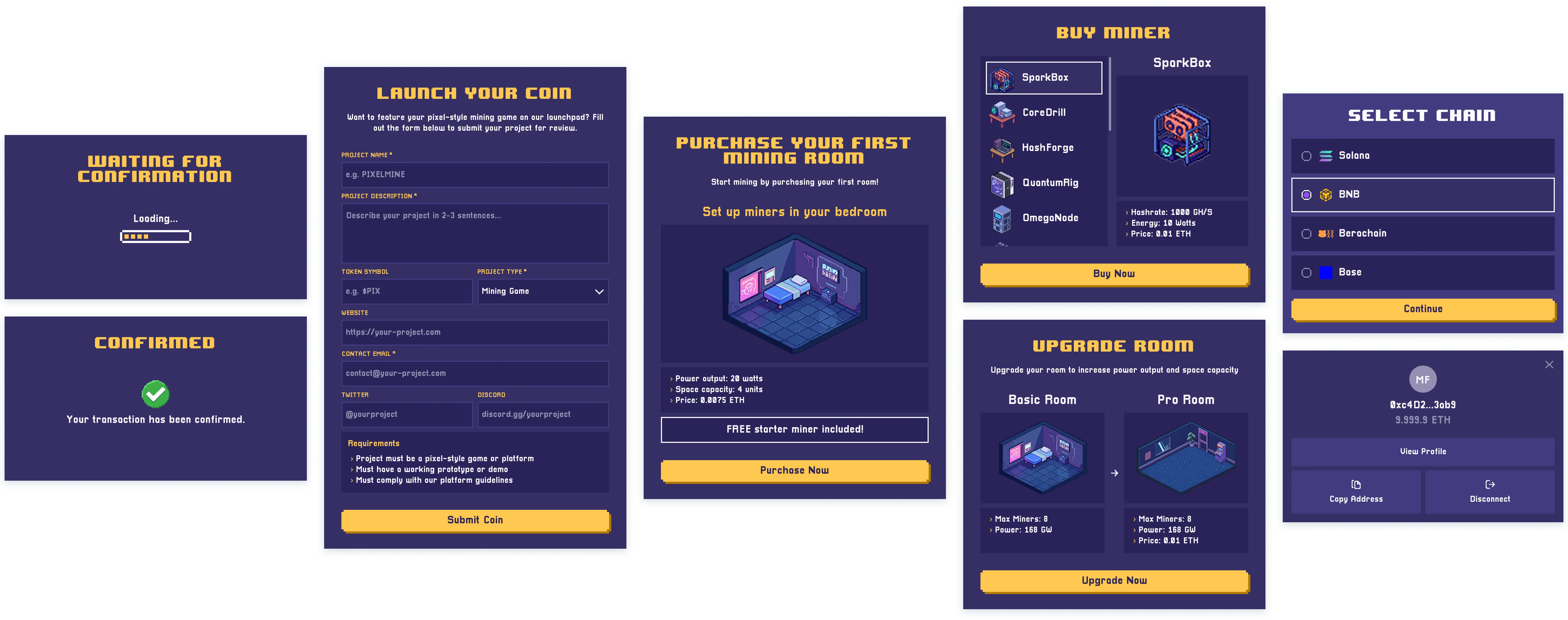
Six transaction flows: buy room, buy miner, upgrade, launch a coin, waiting for confirmation, confirmed. Each modal carries the pixel-art visual language into the blockchain layer, turning friction into familiarity.
The "Waiting for Confirmation" state uses a retro loading bar instead of a spinner. Blockchain latency becomes an arcade moment. The miner names (SporkBox, CoreDrill, HashForge, QuantumRig, OmegeNode) were designed as collectible characters, not hardware specs. Players acquire them, not just purchase them.
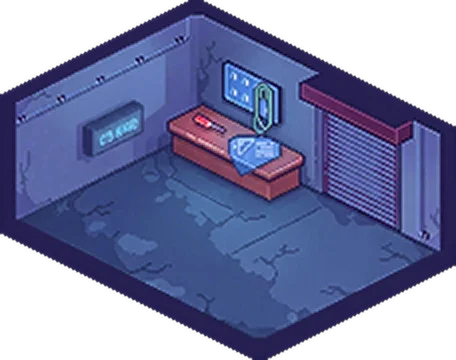
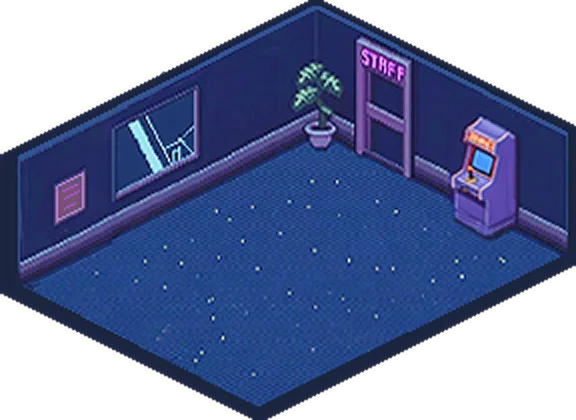
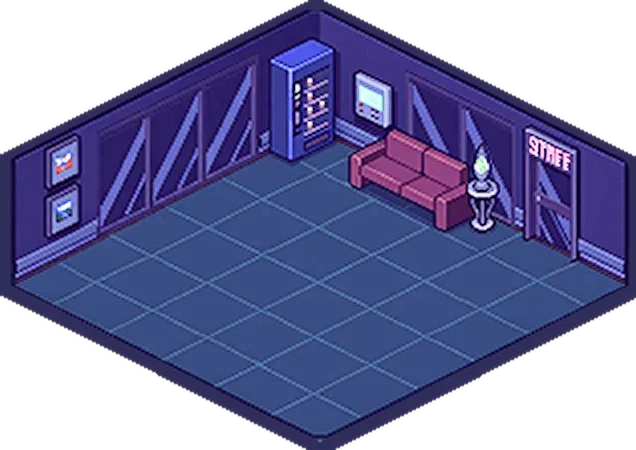
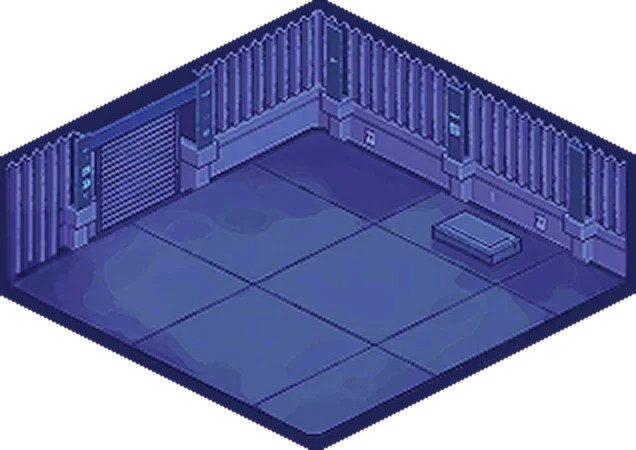
Each room is an NFT, a hand-crafted isometric pixel art space that players buy, populate with miners, and upgrade over time. The rooms are the product's physical metaphor: your mining operation, rendered as a place.


The brand started from the visual language of the game. Every color, every typographic choice traces back to the isometric pixel world players inhabit.
The wordmark uses a custom pixel font: bold, blocky, unmistakably retro. MINER in gold/orange signals reward and energy; FUN in violet signals the platform's playful identity. Two words, two roles, two colors. Players and creators in a single mark.
Deep purple #2B2861 anchors the entire visual world. Every screen, room, and modal sits on this ground. Gold #F5C542 is reserved exclusively for calls-to-action and reward moments: buy, claim, upgrade, launch. The color trains players to trust yellow as the "action" signal.
An animated GIF logo: letters assembling with a pixel-loading effect: kinetic energy without video infrastructure.
The visual language didn't stop at screens. Every character, miner, and UI element was animated, built as a living world, not a static interface.
MinerFun shipped with a complete visual identity, a marketing launchpad, a full game UI, and a system of transaction modals, all from zero, solo designer, live on mainnet.
Landing, project page, game view, launchpad form, designed from zero
Buy room, buy miner, upgrade, launch coin, confirm, claim. Complete modal system
Bedroom → Lounge → Urban → Data Center, each as isometric pixel art
Full scope delivered by one designer: brand, game, site, every transaction state